The Neuroscience of Montessori
Dr. Montessori’s informed intuition led her to techniques of working with children, such as the three-period language lesson, that reflect today’s scientific discoveries about human learning.
The Montessori Theory of Education
“Montessori is an education philosophy and practice that fosters rigorous, self-motivated growth for children and adolescents in all areas of their development, with a goal of nurturing each child’s natural desire for knowledge, understanding, and respect.”
– The American Montessori Society
Water
Young children learning how to put water and a flower in a vase. From the Montessori Guide on Vimeo.
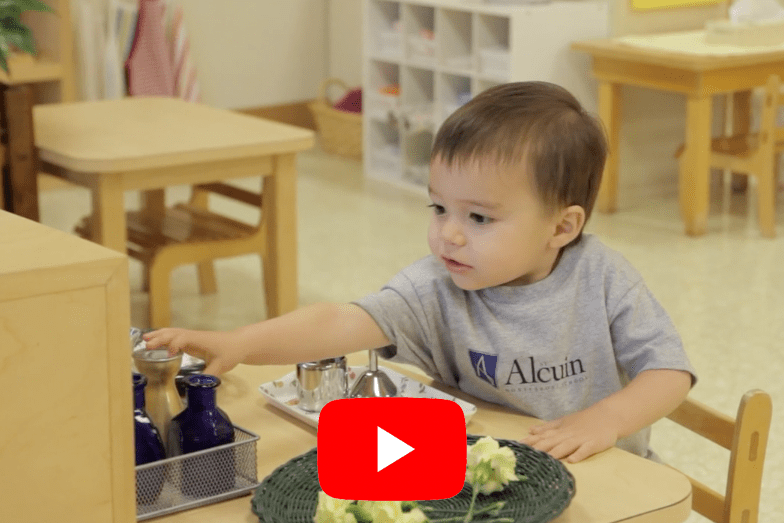
Peer to Peer Learning
This video helps explain how a Montessori learning environment with mixed ages is like a family, where younger children can learn from watching older children.
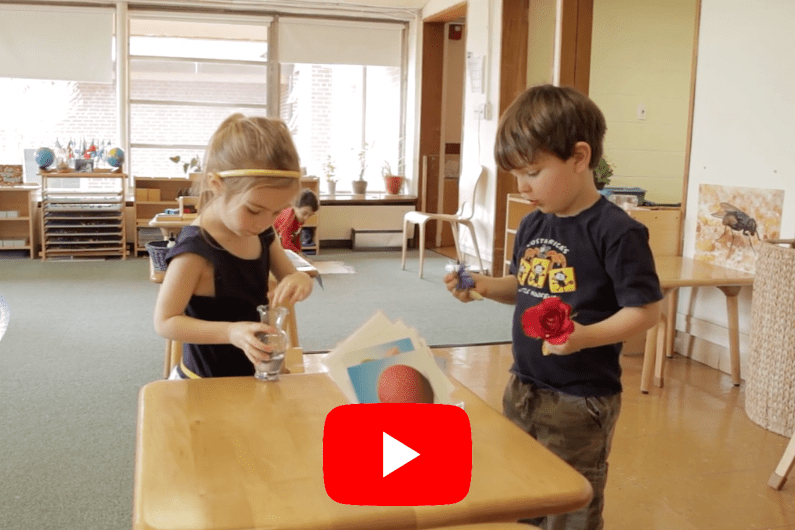
Practical Life Skills in Montessori Preschool
“The practical life area in the Primary preschool environment is an incredibly important area for the primary child. It’s some of the first materials the child will interact with when they come into our classroom, either at two and a half or three whenever they enter our space.” – Butler Montessori
Journey to Independence
“An exploration of how Montessori practice supports the natural unfolding of human development in the earliest years. This video includes topics such as the need for sharp observation skills, the importance of dynamic language, and what “toddler” concentration looks like in the infant community and a brief overview of when a child is ready to transition from the infant community into a primary setting.” – The Montessori Guide
The Montessori Work Cycle
Discover how this unique learning cycle, structured around choice, exploration, concentration, and completion, nurtures a child’s natural curiosity and pace of learning.
The Science of Montessori
What does the research say about Montessori school? Jesse McCarthy interviews Professor Angeline Lillard.
 Montessori Doula
You must be logged in to post a comment.